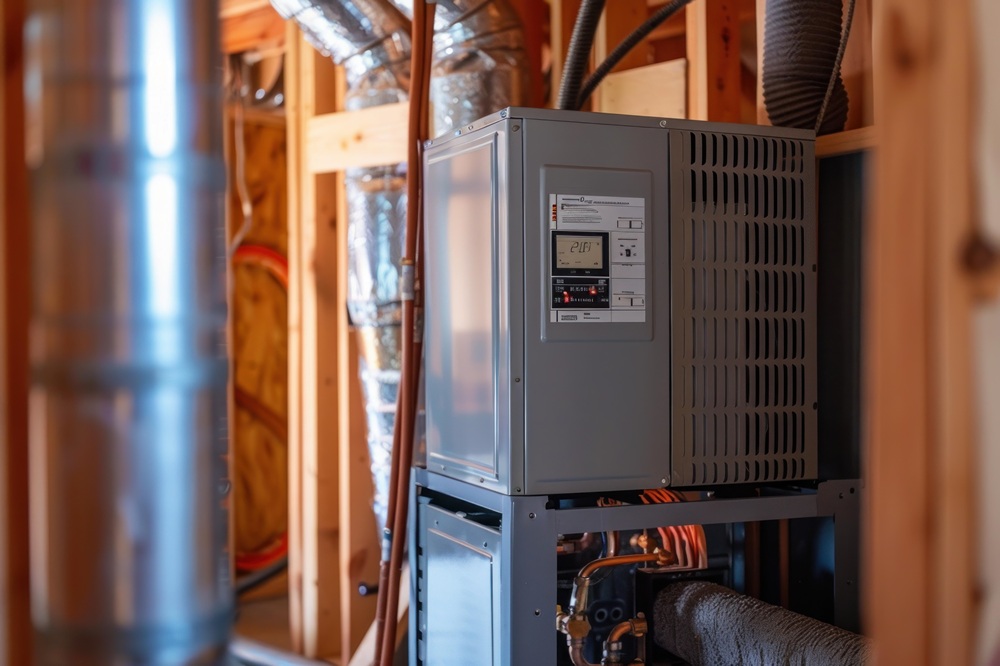
Furnace Making Strange Noises?
What Homeowners Should Know
Blog Post - Oct 1, 2026
When cooler weather arrives, the sound of your furnace starting up should be reassuring—not alarming. A gentle hum or brief click can be part of normal operation. But a new rattle, persistent squeal, or loud bang deserves attention. Knowing the difference can help you decide when to monitor a sound and when to call an HVAC professional.
The most important rule is safety: a noise alone cannot tell you exactly what is wrong. Where the sound comes from, when it happens, and whether your furnace is heating properly all matter.
Which Furnace Sounds Are Normal?
Furnaces are not completely silent. You may hear a brief click before ignition, a steady operating hum, or mild pinging and popping from the ductwork as the metal warms up. These sounds can be normal when they are brief and consistent with how your system usually operates.
Pay closer attention when a sound changes, becomes unusually loud, continues throughout a heating cycle, or occurs alongside heating problems. Persistent rattling and excessive vibration, for example, are not normal operating sounds.
Common Furnace Noises and What They May Mean
Banging or Booming at Startup
A loud bang from the furnace when the burners ignite may indicate delayed ignition. This means gas does not ignite immediately and can accumulate before lighting. It is a potential safety concern—not a sound to ignore or troubleshoot by repeatedly restarting the furnace.
What to do: If there is no suspected gas leak, shut the furnace off and arrange a professional inspection before using it again. Mild popping from the ducts is different from a loud boom at the furnace itself.
Rattling or Excessive Vibration
Rattling may come from a loose panel, loose hardware, or a problem with the blower assembly. Because several issues can produce a similar sound, a rattle does not identify the faulty component on its own.
What to do: Note whether the sound happens at startup, shutdown, or while the furnace runs. Schedule service if it persists, gets louder, or comes with excessive vibration. Do not remove access panels or reach into an operating furnace.
Squealing or Screeching
A high-pitched squeal or screech can point to trouble with the blower motor or related moving components. This is different from the ordinary sound of air moving through your vents.
What to do: Arrange a professional inspection rather than attempting to lubricate, adjust, or repair internal components yourself.
Repeated Clicking
A brief click before ignition can be normal. Repeated or continuous clicking is different: it may involve the ignition system, a control board, an electrical connection, or another control component.
What to do: If clicking continues and the furnace does not produce heat, call for service. Tell the technician when the clicking occurs and whether the system ever completes a heating cycle.
Loud Buzzing or Humming
A familiar, low hum can be normal. A new or unusually loud buzz may indicate an electrical or motor-related issue, including a faulty capacitor—a component that helps support motor operation.
What to do: Have a persistent new buzz evaluated. If it accompanies a burning electrical or plastic smell, shut the system off and call for repairs.
Persistent Rumbling
A loud or prolonged rumble may be associated with burner problems and should not be dismissed as ordinary furnace operation.
What to do: Turn the furnace off and contact an HVAC professional for service.
When to Leave the House Instead of Troubleshooting
If you smell rotten eggs or suspect a gas leak, leave your home immediately. Do not operate light switches, electronics, or the furnace controls inside. Once you are safe outside, contact emergency services and your gas utility. Do not stay inside trying to locate the source.
A suspected gas leak is an emergency—not a routine furnace-repair appointment.
What to Tell Your HVAC Technician
You do not need to diagnose the furnace before calling. A clear description can help the technician understand the problem. Useful details include:
• The type of sound: banging, rattling, squealing, clicking, buzzing, or rumbling.
• When it happens: startup, shutdown, or throughout operation.
• Where it seems to come from: the furnace cabinet, ducts, or registers.
• Whether the furnace still produces heat.
• Whether there are unusual odors or excessive vibration.
The timing and location matter because similar sounds can have different causes—for example, ductwork expanding as it warms versus delayed ignition at the furnace.
Make Furnace Care Part of Your Fall Routine
Fall is a good time to schedule maintenance before you depend on your furnace through colder weather. A professional visit provides an opportunity to inspect the system and address concerns you have noticed, including unusual sounds. If the furnace is already making a loud or persistent noise, ask for a diagnostic service visit rather than assuming routine maintenance alone will resolve it.
Schedule Furnace Service with Tradewinds HVAC & Fireplace LLC
Is your furnace making an unfamiliar sound? Contact Tradewinds HVAC & Fireplace for furnace service in Isanti, MN, and surrounding communities. Describe what you are hearing and schedule an appointment to find out what needs attention.
Call 763-434-8887 to schedule your appointment.