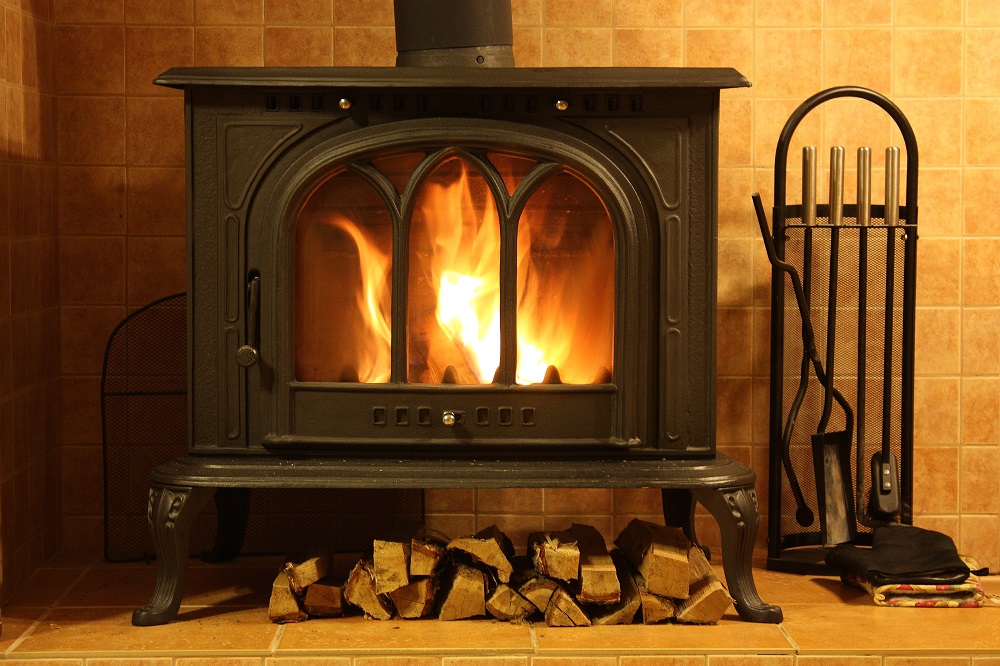
Gas vs. Wood Fireplaces: Which Is Right for Your Minnesota Home?
Blog Post - Dec 1, 2025
When the Minnesota winter winds start howling and temperatures plummet below zero, there's nothing quite like gathering around a warm fireplace. But if you're considering adding a fireplace to your home or replacing an existing one, you're faced with an important decision: gas or wood?
At Tradewinds HVAC & Fireplace, we've been helping Isanti County homeowners make this choice since 1978. Both options have their devoted fans, and the right choice depends on your lifestyle, budget, and what you value most in a fireplace. Let's break down everything you need to know.
The Convenience Factor
Gas Fireplaces: Instant Warmth
Gas fireplaces are the ultimate in convenience. With the flip of a switch or press of a remote, you have instant flames and heat. No hauling wood, no waiting 20 minutes for the fire to get going, and no cleaning out ashes the next morning. For busy Minnesota families, this convenience is hard to beat.
Modern gas fireplaces can even be controlled with smart thermostats, allowing you to program them to warm up your living room before you get home from work. During those brutal January cold snaps, this feature is worth its weight in gold.
Wood Fireplaces: The Traditional Experience
Wood-burning fireplaces require more hands-on involvement. You'll need to source, stack, and store firewood (and in Minnesota, that means keeping it dry through rain, snow, and humidity). Starting a fire takes time and skill, and you'll need to tend it throughout the evening, adding logs as needed.
However, many homeowners find this process meditative and satisfying. There's something primal and rewarding about building and maintaining your own fire. Plus, the authentic crackling sounds and the smell of burning wood create an ambiance that gas simply can't replicate.
Heat Output and Efficiency
Heating Your Home
Gas fireplaces are generally more efficient at heating your home, with efficiency ratings often reaching 70-90%. They deliver consistent heat output and can be easily controlled. Many models include fans that distribute warm air throughout the room, making them effective supplemental heat sources during Minnesota's long winter.
Wood-burning fireplaces are typically less efficient, with traditional open fireplaces only achieving 10-30% efficiency (much of the heat goes up the chimney). However, modern wood fireplace inserts can reach 60-80% efficiency, making them much more practical for heating. A well-stoked wood fire can generate significant heat, though it requires more attention to maintain consistent warmth.
Zone Heating Benefits
Both gas and wood fireplaces excel at zone heating, allowing you to heat the rooms you're using rather than warming your entire home. This can lead to real savings on your heating bills during Minnesota winters. Many of our customers at Tradewinds use their fireplaces to keep their main living areas cozy while turning down their central heat at night.
Installation and Costs
Initial Investment
Gas Fireplaces: The upfront cost for a gas fireplace typically ranges from $2,500 to $7,500, including installation. The price varies based on the model, venting requirements, and whether you need to run a gas line to the location. Direct-vent gas fireplaces are popular in Minnesota because they don't require a traditional chimney and can be vented through an exterior wall.
Wood Fireplaces: Traditional wood-burning fireplaces generally cost between $3,000 and $10,000 to install if you're starting from scratch. If you already have a masonry chimney, installing a wood fireplace insert can be more affordable, typically running $2,000 to $5,000 including installation.
Operating Costs
Gas: Natural gas and propane costs fluctuate, but you can expect to spend roughly $0.70 to $1.50 per hour of operation. LP tanks are readily available in the Isanti area, and at Tradewinds, we can help you with your LP tank needs.
Wood: Firewood costs vary by season and source. If you buy split and seasoned firewood in Minnesota, expect to pay $200-$400 per cord. If you have access to your own trees or know someone who does, your costs could be much lower. Many rural Minnesota homeowners enjoy cutting and splitting their own wood as both exercise and cost savings.
Maintenance Requirements
Gas Fireplace Maintenance
Gas fireplaces are low-maintenance champions. Annual professional inspections are recommended to check gas connections, clean the glass, and ensure everything is operating safely. The glass front stays relatively clean, though you may need to wipe it down occasionally. Pilot lights are reliable, and modern systems include safety sensors that shut off the gas if anything isn't working correctly.
At Tradewinds, we recommend scheduling your gas fireplace inspection in the fall before you start using it regularly. Our technicians can quickly identify any issues and get your fireplace ready for winter.
Wood Fireplace Maintenance
Wood-burning fireplaces require significantly more maintenance. You'll need to:
• Clean out ashes regularly (every few days during heavy use)
• Have your chimney professionally swept at least once a year to prevent creosote buildup
• Inspect and potentially replace chimney caps and dampers
• Check for cracks in the firebox and chimney
• Keep the area around the fireplace clean of soot and ash
Creosote buildup is a serious concern in Minnesota, where we use our fireplaces frequently during the long winter. This flammable substance can cause chimney fires if not properly managed. Professional chimney cleaning is essential for safety.
Environmental Considerations
Emissions and Air Quality
Gas fireplaces burn cleaner than wood, producing fewer particulates and less impact on indoor and outdoor air quality. This is particularly important if anyone in your household has respiratory issues or allergies.
Wood smoke contains particulate matter that can affect air quality both inside and outside your home. However, EPA-certified wood-burning appliances and inserts are designed to burn much cleaner than traditional open fireplaces. Using properly seasoned wood (dried for at least 6 months) also reduces smoke and increases efficiency.
Fuel Source Sustainability
Wood is a renewable resource, especially if you're sourcing it locally and sustainably. Many Minnesota homeowners appreciate using a fuel source that can be harvested from their own property or nearby forests.
Natural gas and propane are fossil fuels, though gas burns cleaner than other fossil fuel options. The environmental impact often comes down to how each fuel is sourced and transported in your specific area.
Safety Considerations
Gas Fireplace Safety
Gas fireplaces are generally very safe when properly installed and maintained. Modern units include oxygen depletion sensors and automatic shutoffs. The glass front stays hot during operation, so supervision is needed around young children and pets. Carbon monoxide detectors are essential in any home with gas appliances.
Wood Fireplace Safety
Wood-burning fireplaces require more active safety management. Sparks can pop out of an open fireplace, making a screen or glass doors essential. Chimney fires from creosote buildup are a real risk without proper maintenance. You'll also need to properly dispose of ashes and never leave a fire unattended. Carbon monoxide detectors are equally important with wood-burning appliances.
Aesthetics and Ambiance
The Realistic Flame Debate
Modern gas fireplaces have come a long way in replicating the look of a real wood fire. High-end models with ceramic logs and realistic flame patterns can be surprisingly convincing. However, most people can still tell the difference, and there's no getting around the absence of crackling sounds and wood smoke smell.
If ambiance is your primary goal, wood fires deliver an authenticity that gas can't quite match. The changing colors of the flames, the sound of crackling wood, and the subtle aroma create a full sensory experience.
Design Flexibility
Gas fireplaces offer more design flexibility. They can be installed almost anywhere, don't require a traditional chimney, and come in countless styles from traditional to ultra-modern. Linear gas fireplaces, see-through models, and even outdoor gas fire features give you options that aren't possible with wood.
Wood fireplaces are more limited in placement due to chimney and venting requirements, but they offer a classic, timeless look that many homeowners prefer.
Making Your Decision
Choose Gas If You:
• Want convenience and instant heat
• Prefer low-maintenance options
• Have mobility issues or physical limitations
• Don't have easy access to firewood
• Want precise temperature control
• Are concerned about indoor air quality
• Want design flexibility in placement
Choose Wood If You:
• Love the authentic fireplace experience
• Have access to affordable firewood
• Enjoy the process of building and tending a fire
• Want to be independent from utility companies
• Prefer a renewable fuel source
• Have an existing chimney and want to use it
• Value the crackling sounds and wood smoke aroma
Can You Have Both?
Many of our customers at Tradewinds opt for a compromise: a gas fireplace insert in their main living area for convenience and daily use, and a wood-burning fireplace or outdoor fire pit for those special occasions when they want the full traditional experience.
Some homes in the Isanti area have both types, giving homeowners maximum flexibility. This approach lets you enjoy the convenience of gas most of the time while still having the option for wood fires when you want that authentic experience.
Visit Our Showroom
The best way to decide between gas and wood is to see both options in person. At Tradewinds HVAC & Fireplace, our showroom in Isanti displays a variety of both gas and wood-burning fireplaces and inserts. You can see the flames in action, feel the heat output, and get a sense of what each type would be like in your home.
Our experienced team can assess your specific situation, discuss your heating needs, and help you choose the fireplace that's perfect for your Minnesota home. We'll consider factors like your home's layout, existing chimney or venting options, your budget, and your lifestyle preferences.
Professional Installation Matters
Whichever type of fireplace you choose, professional installation is crucial for safety, efficiency, and longevity. At Tradewinds, we've been installing and servicing fireplaces in Minnesota homes for over 45 years. We understand the unique challenges of our climate and building codes, and we stand behind our work with quality guarantees.
Improper installation can lead to safety hazards, poor performance, and costly repairs down the road. Our certified technicians ensure your fireplace is installed correctly the first time.
Frequently Asked Questions
How long do gas fireplaces last compared to wood fireplaces?
Gas fireplaces typically last 15-25 years with proper maintenance, while the mechanical components may need replacement before then. Wood-burning fireplaces and masonry chimneys can last 50-100+ years, though fireboxes and dampers may need repair or replacement over time. Gas fireplace inserts usually have a shorter lifespan than the masonry structure they're installed in.
Can I convert my existing wood fireplace to gas?
Absolutely! This is one of the most common upgrades we perform at Tradewinds. Gas fireplace inserts are designed to fit into existing wood-burning fireplaces, using your existing chimney for venting. This conversion gives you the convenience of gas while utilizing your current fireplace structure. We can assess your existing fireplace and recommend the best insert options during a consultation.
Do I need electricity to run a gas fireplace?
Most modern gas fireplaces require electricity for the blower fan, electronic ignition, and remote control features. However, many models can still operate during a power outage using a battery backup or standing pilot light, providing heat when you might need it most during Minnesota winter storms. We can help you choose a model that fits your needs for backup heating.
How much firewood do I need to get through a Minnesota winter?
This depends on how often you use your fireplace. If you burn fires daily throughout the winter, you might use 3-5 cords of wood per season. Occasional weekend fires might only require 1-2 cords. A cord is a stack of wood measuring 4 feet high, 4 feet wide, and 8 feet long. We recommend buying or cutting your wood in spring so it has time to properly season before winter.
What's the difference between direct-vent and vent-free gas fireplaces?
Direct-vent gas fireplaces draw combustion air from outside and exhaust gases back outside through a sealed venting system, making them very safe and efficient. Vent-free (or vent less) fireplaces don't require venting and release combustion gases into your home, along with moisture. While vent-free units are legal in Minnesota, we typically recommend direct-vent models for better indoor air quality and safety.
Can a fireplace really help lower my heating bills?
Yes, when used strategically for zone heating. By warming the rooms you're actually using with your fireplace and turning down your central heat, you can reduce your overall heating costs. Gas fireplaces are particularly effective for this because of their efficiency and ease of use. However, traditional open wood fireplaces can actually increase heating costs because they draw warm air up the chimney. Modern inserts solve this problem.
How often should I have my fireplace serviced?
We recommend annual inspections for both gas and wood-burning fireplaces, ideally in the fall before you start using them regularly. Wood-burning fireplaces and chimneys should be professionally cleaned at least once a year, or more often if you use your fireplace heavily. Gas fireplaces need less frequent cleaning but should still be inspected annually to ensure all components are working safely and efficiently.
What's creosote and why should I worry about it?
Creosote is a tar-like substance that builds up in chimneys when wood burns incompletely. It's highly flammable and the leading cause of chimney fires. Burning unseasoned (wet) wood, softwoods like pine, or operating your fireplace with insufficient air flow increases creosote buildup. Regular chimney cleaning and burning properly seasoned hardwood significantly reduces this risk.
Will a fireplace add value to my home?
Generally, yes. Fireplaces are attractive features to homebuyers, especially in Minnesota where heating is such a significant part of homeownership. Gas fireplaces often provide a better return on investment because they're seen as low-maintenance amenities. According to real estate professionals, a fireplace can add anywhere from $1,000 to $5,000+ to your home's value, depending on the type and quality.
Can I install a fireplace in a home that's never had one?
Definitely! Modern fireplace technology makes it possible to add a fireplace to almost any home. Direct-vent gas fireplaces are particularly easy to install because they don't require a traditional chimney and can be vented through an exterior wall. We've helped many homeowners in Isanti County add fireplaces to homes that were built without them. Schedule a consultation and we'll explore your options.
What type of wood burns best in Minnesota?
Hardwoods like oak, maple, ash, and birch are ideal for Minnesota fireplaces because they burn hotter, longer, and produce less creosote than softwoods. The key is ensuring the wood is properly seasoned (dried for at least 6 months, preferably a year). The wood should feel lightweight, have cracks in the ends, and make a hollow sound when two pieces are knocked together. Avoid burning pine or other softwoods as your primary fuel, as they create more creosote buildup.
Do I need a permit to install a fireplace in Minnesota?
Yes, fireplace installations require permits in Minnesota to ensure they meet building and fire safety codes. At Tradewinds, we handle all permitting and inspections as part of our installation service. This protects you and ensures your fireplace is installed safely and legally, which is also important for insurance purposes and future home sales.
Ready to Add Warmth to Your Home?
Minnesota winters are long, and a fireplace can transform your home into a cozy retreat during the coldest months. Whether you choose the convenience of gas or the authenticity of wood, you'll add value to your home and create a gathering place for family and friends.
Contact Tradewinds HVAC & Fireplace today at 763-434-8887 to schedule a consultation or visit our showroom at 27589 Highway 65 NE in Isanti. Let's find the perfect fireplace solution for your Minnesota home.
Tradewinds HVAC & Fireplace has been serving Isanti County since 1978 with honest, quality, guaranteed service. We're your local indoor air temperature specialists, providing fireplace installation, maintenance, and repair for both residential and commercial properties.
Written by AI for Tradewinds HVAC & Fireplace LLC